

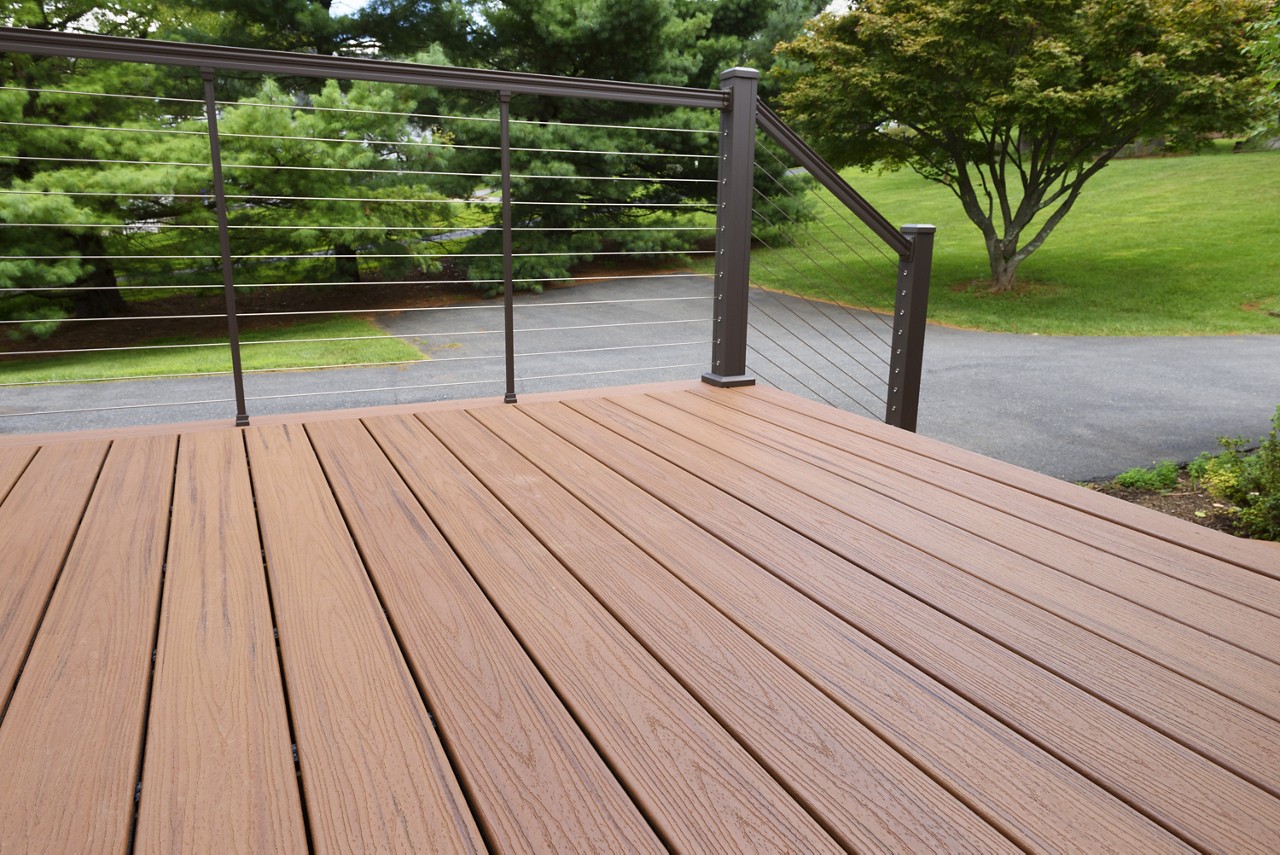
Capstock compounds are engineered materials used as a protective outer layer that is co-extruded over a plastic substrate to enhance durability, appearance, and long-term performance in outdoor applications. By shielding the underlying material from UV exposure, weathering, and surface wear, capstocks help extend product life while maintaining color, gloss, and surface quality.
This guide is designed for OEMs, specifiers, extrusion engineers, and product managers who need practical insight into how capstock compounds work, when to use them, and how different material options perform in exterior profiles and building products. Whether you’re developing decking, fencing, railing, or window and door profiles, this resource is intended to help you make informed material decisions more efficiently.
Capstock Compounds: A Practical Guide for Exterior Applications
What Is a Capstock Layer
A capstock layer is a co-extruded outer protective layer applied over a plastic substrate—such as PVC, wood–plastic composites (WPC), or polyolefin-based profiles—to enhance surface performance and long-term durability. The capstock is made from polymeric capstock compounds that are specifically engineered to withstand environmental exposure while protecting the underlying material.
During co-extrusion, the capstock layer is applied over the base material in a single, continuous process. This allows manufacturers to precisely control capstock thickness based on functional requirements such as UV resistance, color retention, scratch resistance, and weatherability. Capstock systems are commonly used in exterior applications including decking, fencing, railing systems, window and door profiles, and other outdoor building products where surface durability and appearance are critical to product performance.

Key Materials for Capstock Compounds: PVC, Polyolefin & Acrylic
Capstock compounds are typically formulated from PVC, polyolefin-based polymers, or acrylic materials, each offering distinct performance advantages for exterior applications. Teknor Apex supplies rigid and flexible capstock materials across multiple polymer families. Selecting the right material is critical, as capstock performance directly affects weatherability, color retention, surface appearance, and long-term durability.
One of the most important considerations in capstock selection is compatibility with the substrate. Because capstocks are co-extruded over a base profile, the capstock material must be chemically and mechanically compatible with the underlying substrate to achieve proper adhesion. For example, PVC capstocks are typically paired with PVC substrates, while polyolefin capstocks are used over compatible polyolefin-based profiles or composites. Since capstocks are extruded, processability is also critical—the material must flow consistently and form a smooth, uniform surface with the desired gloss and appearance.
From a performance standpoint:
- PVC capstocks offer strong compatibility with PVC substrates, good weatherability, and balanced processing behavior for many exterior profiles.
- Polyolefin-based capstocks provide flexibility in formulation and can offer enhanced moisture resistance or impact performance, depending on the application.
- Acrylic capstocks, where used, are often selected for applications requiring high surface hardness and color stability, particularly in demanding outdoor environments.
Matching the capstock material to both the substrate and the end-use conditions is essential to ensuring reliable adhesion, consistent appearance, and long-term outdoor performance.
Performance Criteria: What Makes a Capstock Work
Capstock compounds succeed or fail based on how well they protect the product surface and maintain appearance over long-term outdoor exposure. Because capstocks are the first line of defense against weathering, wear, and environmental stress, their performance directly impacts product lifespan, warranty risk, and customer perception. To perform reliably, a capstock must balance multiple surface and processing-related criteria that work together over time.
The most critical performance factors include UV stability, scratch and stain resistance, adhesion and compatibility with the substrate, and appropriate capstock thickness to manage heat buildup and processing conditions. Each of these elements influences how well the capstock maintains color, resists damage, and remains bonded to the underlying profile throughout its service life.
To meet the demands of outdoor applications, capstocks can be formulated with UV inhibitors, pigments, polymer modifiers, adhesion promoters, impact modifiers, and other additives tailored to the end-use environment. These components help deliver key benefits such as resistance to fading and whitening, protection against scratches from foot traffic or furniture, and improved resistance to staining from food, beverages, or outdoor chemicals. Capstock compounds also play a major role in achieving consistent color and surface aesthetics—whether producing highly weatherable white profiles or more complex, wood-like appearances—making performance selection especially critical as OEMs and specifiers continue to extend product warranties.
Applications: Where Capstock Compounds Are Used
Capstock compounds are most commonly used in exterior building products where long-term durability, appearance retention, and surface protection are critical. By placing a protective cap over a structural substrate, manufacturers can improve weatherability and aesthetics without compromising the performance of the core material.
In window and door profiles, capstocks help maintain color stability, surface gloss, and resistance to UV exposure while supporting consistent appearance across long service lives. Decking, railing, and fencing systems rely on capstock layers to resist fading, scratching, staining, and moisture exposure in high-traffic outdoor environments. Capstocks are also widely used in siding, trim, and other exterior building products, where they protect against weathering while enabling a range of colors, finishes, and textures that enhance architectural appeal.
Across these applications, capstock compounds play a key role in extending product lifespan and supporting warranty expectations in demanding outdoor conditions.
How to Specify the Right Capstock Compound
Specifying the right capstock compound requires balancing performance requirements with processing realities and long-term durability expectations. Because capstocks are co-extruded and permanently bonded to a substrate, early material selection plays a critical role in surface performance, adhesion, and manufacturability.
A practical specification checklist should include factors such as required UV and color stability, scratch and stain resistance, surface finish and gloss, capstock thickness, and compatibility with the base material. Certifications or performance benchmarks—such as accelerated weathering results or application-specific testing—may also be needed to support product warranties or market requirements.
From a processing standpoint, challenges often arise during co-extrusion and bonding, where differences in melt behavior, thermal expansion, or surface energy can affect adhesion and appearance. Proper substrate matching is essential to ensure consistent bonding and prevent delamination over time. Addressing these considerations during material selection helps minimize production risk and supports reliable long-term performance in exterior applications.
Conclusion
Capstock compounds play a critical role in the long-term performance, appearance, and durability of exterior building products. From material selection and substrate compatibility to surface protection and processing considerations, choosing the right capstock can significantly influence product lifespan, warranty confidence, and market success. By understanding how capstock layers function and what performance criteria matter most, manufacturers and specifiers can make more informed material decisions.
If you’re evaluating capstock options or need guidance for a specific application, ask a Teknor Apex expert to help identify the right compound and technical resources for your project.
Frequently Asked Questions:
The substrate is the structural base material of a profile, while the capstock is a thin, co-extruded outer layer designed to protect the surface. The capstock enhances durability, color stability, and resistance to weathering, while the substrate provides strength and shape.
The right capstock material depends on the substrate, processing method, and performance requirements. PVC capstocks are commonly used over PVC substrates for strong adhesion and balanced performance, polyolefin capstocks are used with compatible polyolefin-based profiles, and acrylic capstocks are typically selected for applications requiring enhanced surface hardness or color stability. Compatibility with the base material is a critical factor in all cases.
Sustainability considerations for capstocks may include compliance with regulations such as RoHS and REACH, along with testing related to weatherability, durability, and material content. Depending on formulation, some capstocks may also support recycled or bio-based content requirements, but certifications vary by application and material choice.
The primary function of a polymeric capstock is to protect the surface of an exterior product from UV exposure, weathering, wear, and staining. By shielding the substrate, the capstock helps maintain appearance, extend service life, and support long-term performance and warranty expectations.


Share: